Supporting Someone with Dementia at Christmas
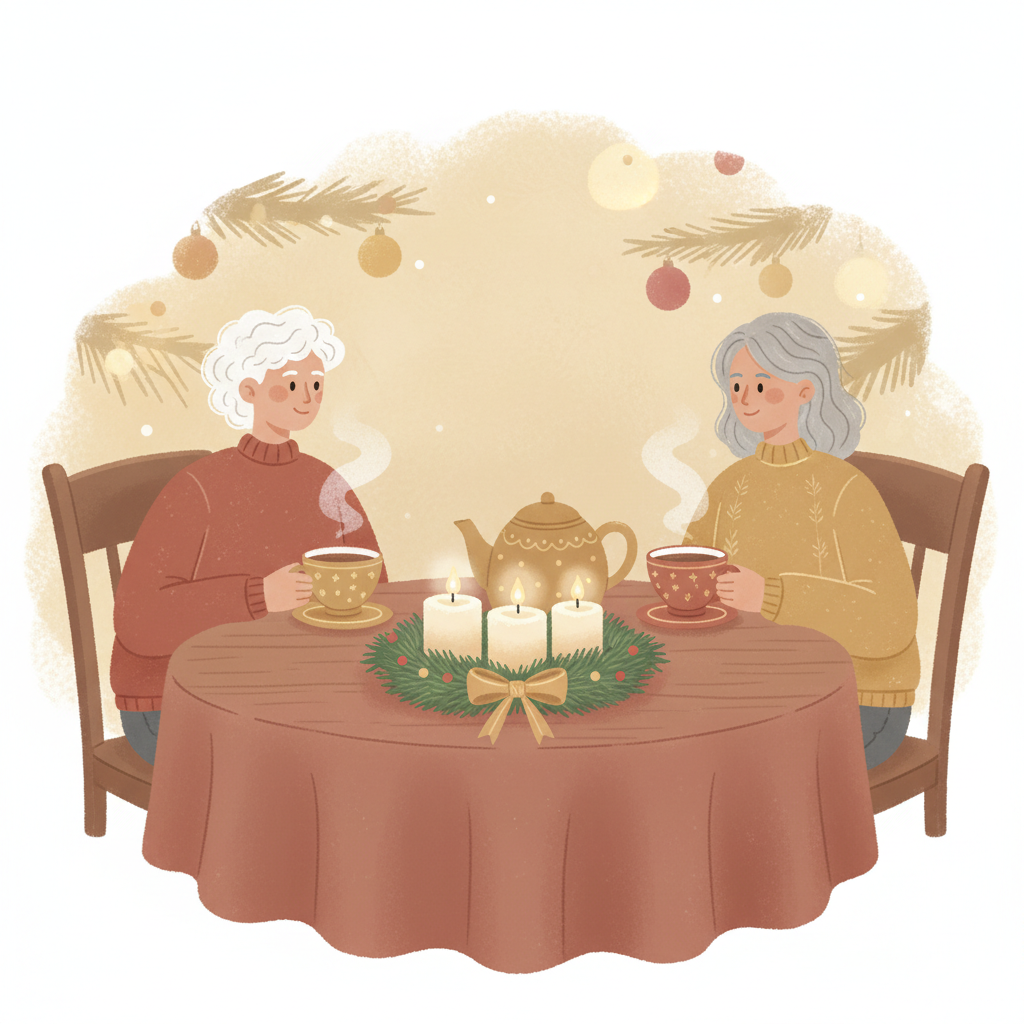
Christmas can be a lovely time of year, full of traditions, memories and togetherness. But for people living with dementia, it can also feel confusing, overwhelming and unsettling. Busy homes, changes to routine and lots of new faces can increase anxiety, even when everything is meant with love. The good news is that a few simple adjustments can make a real difference.
One of the most helpful things you can do is keep life feeling as familiar as possible. Dementia often makes it harder to cope with change, so sudden late nights, different mealtimes or packed schedules can feel distressing. Try to stick to usual routines where you can. That might mean keeping meals at the same time, maintaining regular rest periods or continuing familiar daily activities. It is absolutely fine to adapt Christmas around the person, rather than expecting them to adapt to Christmas.
The festive environment itself can sometimes be too much. Flashing lights, loud music, strong smells and multiple conversations can quickly become overwhelming. You might want to simplify decorations, keep the television volume low and avoid background noise where possible. If you are hosting, make sure there is a quiet space available where the person can sit and relax if things start to feel too busy. Familiar objects, soft lighting and a calm atmosphere can be very reassuring.
Family gatherings can also be tricky. A room full of people, especially those the person may not recognise, can feel frightening rather than festive. Smaller gatherings often work better than large crowds. Let visitors know in advance how best to support the person, such as introducing themselves clearly and speaking calmly. If the person forgets names or repeats questions, gentle reassurance works far better than correction.
Clear and kind communication is especially important at this time of year. Use simple language, speak slowly and explain what is happening, even if you need to repeat yourself. Reassuring phrases like "You're safe" or "We're having Christmas dinner together" can help reduce anxiety. Remember that non-verbal communication matters too. A smile, a calm tone or holding a hand can be incredibly comforting.
Involving the person with dementia in Christmas activities can help them feel included and valued. Choose simple, manageable tasks like stirring the cake mix, wrapping a small present or arranging napkins on the table. These moments of participation can boost mood and give a sense of purpose. But never force involvement if the person seems distressed or tired.
Mealtimes often need thoughtful planning. A traditional Christmas dinner can be overwhelming, with too many food choices and a noisy table. Serving smaller portions, offering familiar foods and creating a calmer dining environment can make a big difference. Make sure the person isn't sitting in a draught or too close to noise. Gentle prompts and patience are more helpful than rushing.
Christmas traditions can be adapted to suit the person's needs. Watching a favourite film together, listening to familiar carols or looking through old Christmas photos can feel comforting and enjoyable. Traditions don't need to be complicated to be meaningful.
It's also important to look after yourself. Supporting someone with dementia can be physically and emotionally demanding. If you're a family carer, accept offers of help, take regular breaks and don't feel guilty about keeping things simple. A calm, rested carer creates a calmer atmosphere for everyone.
If you're unsure how to support someone with dementia this Christmas, you're not alone. The Alzheimer Café Isle of Wight is here to help. Our cafés offer a welcoming space where people living with dementia, their families and carers can come together for support, friendship and advice. You can find your nearest café on our website, or call us on 01983 220200.
Christmas doesn't have to be perfect. It just needs to be kind, gentle and full of love. And that matters far more than tinsel.